
WetVR and the Evolution from Walkmans to VR Headsets
Not long ago, VR adult content still carried a strange experimental vibe. The headsets looked awkward, the technology felt unfinished, and the entire experience seemed like the kind of futuristic idea people imagined while listening to cassette tapes on a Sony Walkman in the 1990s.
Back then, immersive digital entertainment sounded closer to science fiction than everyday reality. But technology evolved fast. Modern VR devices became lighter, sharper, and dramatically easier to use, while immersive media itself slowly entered mainstream culture through gaming, streaming, virtual experiences, and interactive entertainment.
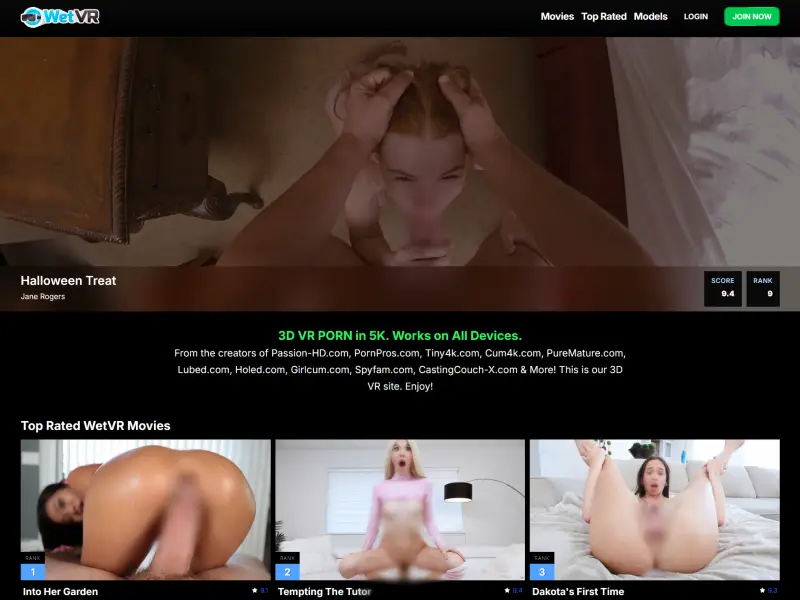
Platforms like WetVR emerged during that transition. Instead of treating VR as a gimmick, these newer platforms started building experiences specifically designed for immersive viewing and modern headsets.
What makes this shift interesting is that it mirrors a much larger change happening across the internet itself. Digital entertainment is becoming increasingly immersive, personalized, and experience-driven, and adult platforms are evolving alongside that transformation.
From Traditional Studios to Immersive Platforms
WetVR did not appear out of nowhere. The platform comes from the creators behind established adult brands like Passion-HD, PornPros, Tiny4K, Cum4K, and several other long-running studio projects that already understood premium video production and online streaming ecosystems.
That background matters because it helps explain why newer VR platforms feel far more polished than the early experimental era of virtual reality content. Instead of building a technology demo, companies like WetVR approached VR as an evolution of premium digital entertainment.
The transition also reflects how traditional studios started adapting to changing viewing habits. Higher resolutions, immersive POV filming, spatial environments, and headset optimization gradually became part of a broader shift toward more experiential media consumption.
Rather than simply uploading standard videos into a VR format, platforms like WetVR were designed around immersion from the beginning. The focus moved away from novelty and closer toward creating environments that actually feel built for virtual reality devices.
WetVR Feels Built Around Devices First
One of the more interesting aspects of WetVR is how strongly the platform focuses on device compatibility and immersive playback instead of simply functioning as another video website with VR branding attached.
The site supports a wide range of headsets, including Oculus Quest, Oculus Rift, HTC Vive, PlayStation VR, Gear VR, and other WebXR-compatible devices. That level of compatibility reflects how VR entertainment increasingly depends on accessibility rather than niche hardware setups reserved for tech enthusiasts.
Streaming optimization also appears to be a major priority. WetVR offers multiple playback resolutions and streaming options designed for different devices and internet speeds, helping reduce one of the biggest frustrations early VR users experienced: laggy, uncomfortable playback inside a headset.
Small usability details also show how VR platforms evolved alongside the technology itself. QR integration, for example, allows users to quickly open scenes directly inside compatible headsets without dealing with awkward manual navigation or complicated setup steps.
These features may sound technical on the surface, but they represent something much bigger. VR adult platforms are no longer trying to convince people that immersive media is possible. They are now competing to make the experience smoother, faster, and more practical for everyday users.
Why Resolution and Immersion Matter More in VR
Visual quality matters far more in VR than on a traditional screen. Higher resolutions like 5K and smoother 60fps playback help immersive scenes feel more natural and less distracting inside a headset.
WetVR also leans heavily into POV-style filming and cinematic environments designed specifically for immersive viewing. In VR, small technical details can dramatically affect realism, comfort, and the overall sense of presence during the experience.
The User Experience Challenges of VR Entertainment
Despite the technological progress, VR entertainment still feels like an early-stage ecosystem in some areas. Platforms like WetVR can offer impressive immersive playback while still struggling with slower content updates, limited discovery tools, and simplified navigation systems.
That balance reflects the current state of VR itself: technically impressive, increasingly polished, but still evolving compared to the massive infrastructure behind mainstream streaming platforms.
Why Specialized VR Platforms Exist
Traditional tube sites were built for passive viewing on phones, tablets, and desktop screens. VR platforms operate very differently because immersive media depends heavily on headset optimization, streaming performance, spatial filming, and device compatibility.
The goal is not simply to host videos, but to create experiences designed specifically for immersive environments.
The Bigger Shift Toward Immersive Media
In many ways, VR adult entertainment reflects a much larger shift happening across digital culture itself. Gaming, streaming, virtual workspaces, and interactive media are all moving toward more immersive experiences.
VR may still feel niche to some audiences, but the technology no longer feels experimental. Platforms like WetVR exist because immersive entertainment is gradually becoming another layer of modern digital culture rather than a futuristic concept waiting to happen.